Key Takeaways
- Document changes before choosing a method
- Correct active water sources as part of the plan
- Match the repair to measured site conditions
- Keep written records and monitor after work
Quick answer: Why Is a Bryan Garage Floor Sinking or Pulling Away From the Slab Edge requires looking at garage slab settlement, edge gaps, drainage, loads, and leveling suitability. A visible crack or low area is evidence to investigate, not a diagnosis by itself. Property owners should document changes, control water where practical, and have the affected structure evaluated before choosing a repair method.
Conditions around Bryan, Texas can expose homes and slabs to alternating wet and dry periods, runoff concentration, construction backfill, plumbing water, and ordinary aging. Those factors do not affect every property in the same way. This guide explains a disciplined way to separate symptoms from causes and connect the finding to the appropriate concrete repair and leveling service options.
What does sinking garage floor Bryan actually mean for a property owner?
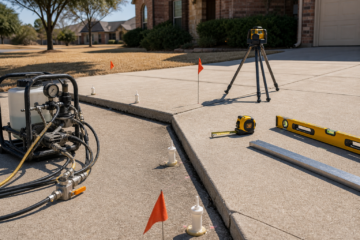
The phrase describes a field condition, not a single failure mechanism. Start by locating the change, measuring its direction and extent, and noting whether it appeared suddenly or progressed over months. Compare interior and exterior evidence, nearby drainage, joints, utilities, and loads. A technician may use elevations, a straightedge, moisture observations, photographs, and probing to build a coherent pattern. That pattern matters more than one isolated blemish. The purpose of an evaluation is to determine whether the concern is stable, maintenance-related, repairable by lifting or support, or better addressed through replacement or another trade.
In practice, the phrase describes a field condition, not a single failure mechanism. Start by locating the change, measuring its direction and extent, and noting whether it appeared suddenly or progressed over months. Compare interior and exterior evidence, nearby drainage, joints, utilities, and loads. A technician may use elevations, a straightedge, moisture observations, photographs, and probing to build a coherent pattern. That pattern matters more than one isolated blemish. The purpose of an evaluation is to determine whether the concern is stable, maintenance-related, repairable by lifting or support, or better addressed through replacement or another trade. This is why a documented, site-specific decision is more reliable than selecting a method from photographs alone.
Which warning signs make garage slab settlement worth a closer look in Bryan, Texas?
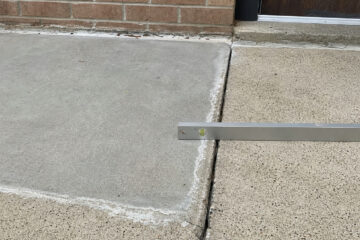
Useful warning signs include a changing elevation, widening separation, recurring water, displaced joints, doors or gates that begin rubbing, trim gaps, cracked finishes, or a surface that directs water toward the building. Marking a crack with a date and taking photographs from the same position can show whether it is changing. Do not rely on color alone; dirt and moisture can make an old defect look new. Urgent review is appropriate when movement creates a trip hazard, affects utilities, admits significant water, or appears with broader structural distortion.
Useful warning signs include a changing elevation, widening separation, recurring water, displaced joints, doors or gates that begin rubbing, trim gaps, cracked finishes, or a surface that directs water toward the building. Marking a crack with a date and taking photographs from the same position can show whether it is changing. Do not rely on color alone; dirt and moisture can make an old defect look new. Urgent review is appropriate when movement creates a trip hazard, affects utilities, admits significant water, or appears with broader structural distortion. This is why a documented, site-specific decision is more reliable than selecting a method from photographs alone.
How do water, soil, and drainage influence this Bryan, Texas repair decision?
Water can erode poorly confined fill, soften susceptible soil, carry fine particles, or create repeated volume changes. Roof runoff, short downspouts, leaking irrigation, plumbing releases, and negative grade can concentrate moisture beside a slab or foundation. Correcting drainage is not a substitute for structural work when movement has already occurred, but leaving the water source in place can undermine a repair plan. Review the route from roof to gutter, discharge point, swale, pavement edge, and street. The relevant leveling or slab service page explains how support work fits into a broader plan.
Water can erode poorly confined fill, soften susceptible soil, carry fine particles, or create repeated volume changes. Roof runoff, short downspouts, leaking irrigation, plumbing releases, and negative grade can concentrate moisture beside a slab or foundation. Correcting drainage is not a substitute for structural work when movement has already occurred, but leaving the water source in place can undermine a repair plan. Review the route from roof to gutter, discharge point, swale, pavement edge, and street. In practice, the relevant leveling or slab service page explains how support work fits into a broader plan. This is why a documented, site-specific decision is more reliable than selecting a method from photographs alone.
| Observation | Possible implication | Next check |
|---|---|---|
| Water repeatedly collects | Drainage or elevation problem | Trace runoff and measure slope |
| Gap or crack is changing | Movement may be active | Date photos and compare elevations |
| Surface is sound but low | Leveling may be feasible | Evaluate support and access |
| Material is badly fractured | Repairability may be limited | Compare stabilization and replacement |
What should an on-site evaluation measure before a method is recommended?
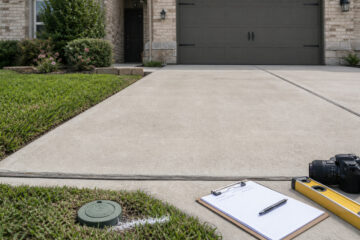
A useful evaluation records floor or slab elevations, crack geometry, joint condition, drainage direction, accessible soil or void evidence, and constraints such as utilities, fences, landscaping, and occupied space. The evaluator should identify the intended outcome: stabilize, recover some elevation, reduce a hazard, close a drainage low point, or prepare for another repair. Ask what observations support the diagnosis, what conditions could limit lift, and what maintenance remains the owner’s responsibility. For broader movement, compare findings with the related repair service rather than assuming one product fits every condition.
A useful evaluation records floor or slab elevations, crack geometry, joint condition, drainage direction, accessible soil or void evidence, and constraints such as utilities, fences, landscaping, and occupied space. In practice, the evaluator should identify the intended outcome: stabilize, recover some elevation, reduce a hazard, close a drainage low point, or prepare for another repair. Ask what observations support the diagnosis, what conditions could limit lift, and what maintenance remains the owner’s responsibility. For broader movement, compare findings with the related repair service rather than assuming one product fits every condition. This is why a documented, site-specific decision is more reliable than selecting a method from photographs alone.
How do common repair approaches compare for sinking garage floor Bryan?
The correct approach follows the cause and the condition of the material. Minor stable cracks may call for sealing and monitoring. A sound but settled slab may be a candidate for controlled lifting where access and support conditions permit. A foundation may require piers, wall stabilization, drainage work, or coordinated plumbing repairs. Severely fractured, thin, deteriorated, or poorly reinforced concrete may be a replacement candidate. No method should be selected solely because it is faster. The goal is a durable, proportionate response with realistic limits.
In practice, the correct approach follows the cause and the condition of the material. Minor stable cracks may call for sealing and monitoring. A sound but settled slab may be a candidate for controlled lifting where access and support conditions permit. A foundation may require piers, wall stabilization, drainage work, or coordinated plumbing repairs. Severely fractured, thin, deteriorated, or poorly reinforced concrete may be a replacement candidate. No method should be selected solely because it is faster. The goal is a durable, proportionate response with realistic limits. This is why a documented, site-specific decision is more reliable than selecting a method from photographs alone.
What cost and scheduling factors should Bryan, Texas owners discuss?
Price is shaped by measured scope, access, number of treatment points, material quantity, depth or size of voids, finish restoration, utility locating, drainage corrections, permits when applicable, and site protection. Scheduling may also depend on weather, cure times, occupied access, and coordination with plumbers or other contractors. Request a written scope that distinguishes included work from optional or contingent work. A low bid that omits diagnosis, water control, cleanup, or documentation is not directly comparable to a complete plan.
Price is shaped by measured scope, access, number of treatment points, material quantity, depth or size of voids, finish restoration, utility locating, drainage corrections, permits when applicable, and site protection. Scheduling may also depend on weather, cure times, occupied access, and coordination with plumbers or other contractors. Request a written scope that distinguishes included work from optional or contingent work. A low bid that omits diagnosis, water control, cleanup, or documentation is not directly comparable to a complete plan. This is why a documented, site-specific decision is more reliable than selecting a method from photographs alone.
What can owners safely do before professional concrete repair and leveling?
Keep people away from an active hazard, photograph and measure the area, check for obvious leaks, extend safe downspout discharge, and collect prior repair or plumbing records. Avoid injecting materials, grinding structural edges, excavating beside a footing, or forcing a slab upward with improvised jacks. Those actions can hide evidence or damage utilities. If water is active, address personal safety first. Use the contact or quote page to describe the location, timing, and changes when requesting an evaluation.
Keep people away from an active hazard, photograph and measure the area, check for obvious leaks, extend safe downspout discharge, and collect prior repair or plumbing records. Avoid injecting materials, grinding structural edges, excavating beside a footing, or forcing a slab upward with improvised jacks. Those actions can hide evidence or damage utilities. If water is active, address personal safety first. Use the contact or quote page to describe the location, timing, and changes when requesting an evaluation. This is why a documented, site-specific decision is more reliable than selecting a method from photographs alone.
How should a completed repair be monitored through changing weather?
Keep the final scope, photographs, elevations, material information, and maintenance instructions together. Recheck drainage after heavy rain, keep joints and discharge routes clear, and photograph the same reference points seasonally. Some cosmetic finishes may need separate restoration after movement is stabilized. Call the contractor if a repaired area changes unexpectedly, a sealed opening reappears, water begins ponding, or a new safety issue develops. Monitoring turns a one-time repair into a managed property condition.
Keep the final scope, photographs, elevations, material information, and maintenance instructions together. Recheck drainage after heavy rain, keep joints and discharge routes clear, and photograph the same reference points seasonally. Some cosmetic finishes may need separate restoration after movement is stabilized. Call the contractor if a repaired area changes unexpectedly, a sealed opening reappears, water begins ponding, or a new safety issue develops. Monitoring turns a one-time repair into a managed property condition. This is why a documented, site-specific decision is more reliable than selecting a method from photographs alone.
How does this topic connect to other repairs on the property?
Related symptoms often share water, soil, access, or maintenance causes. Read the companion guidance on a closely related local condition and another planning question. Also review the supporting service page. These links create a practical silo: diagnosis guides owners toward the commercial parent service, while related guides explain adjacent decisions without competing for the same primary intent.
Frequently asked questions
Is every crack or low spot evidence of structural failure?
No. Age, shrinkage, finishing, joints, and localized support changes can produce visible symptoms. Pattern, progression, elevation, water, and adjacent evidence determine significance.
Can drainage work alone reverse existing movement?
Usually not. Water management may reduce an ongoing contributor, but it does not automatically lift or stabilize material that has already moved.
Should a property owner obtain measurements in writing?
Yes. A written scope, photographs, reference elevations, exclusions, and maintenance instructions make proposals easier to compare and provide a baseline for monitoring.
When is prompt action appropriate?
Act promptly for trip hazards, active water near electricity, sudden displacement, utility concerns, or movement that affects safe use. Restrict access until the condition is evaluated.
What is the next step for a Bryan, Texas property?
Begin with evidence: photographs, dates, drainage observations, and prior records. Then request a site-specific evaluation from Bryan specialists. The appropriate plan should explain cause, objective, method, limitations, water management, and follow-up—not merely name a product.
Sources and further reading
- EPA moisture control guidance
- FEMA homeowner risk and mitigation resources
- USGS water science resources
- International Code Council building safety resources
- American Concrete Institute technical resources
Frequently Asked Questions
Is every visible defect a structural failure?
No. The pattern, progression, elevation, water conditions, and adjacent evidence determine whether repair is warranted.
Can drainage work replace structural repair?
Drainage can reduce a contributor but usually does not reverse movement that has already occurred.
What records should an owner keep?
Keep photographs, dates, elevations, written scope, material information, exclusions, and maintenance instructions.